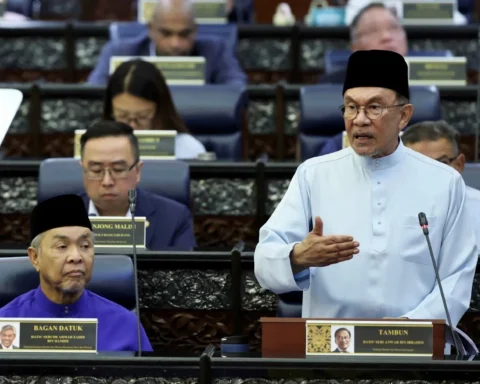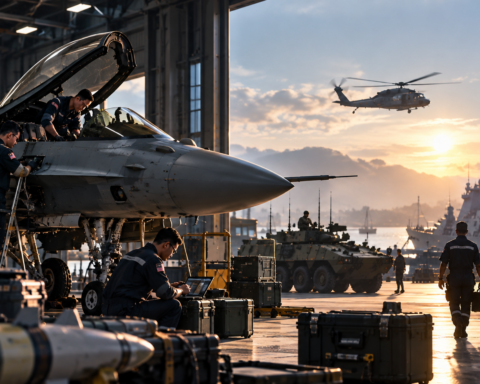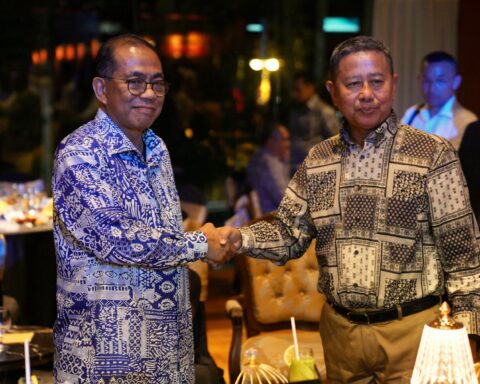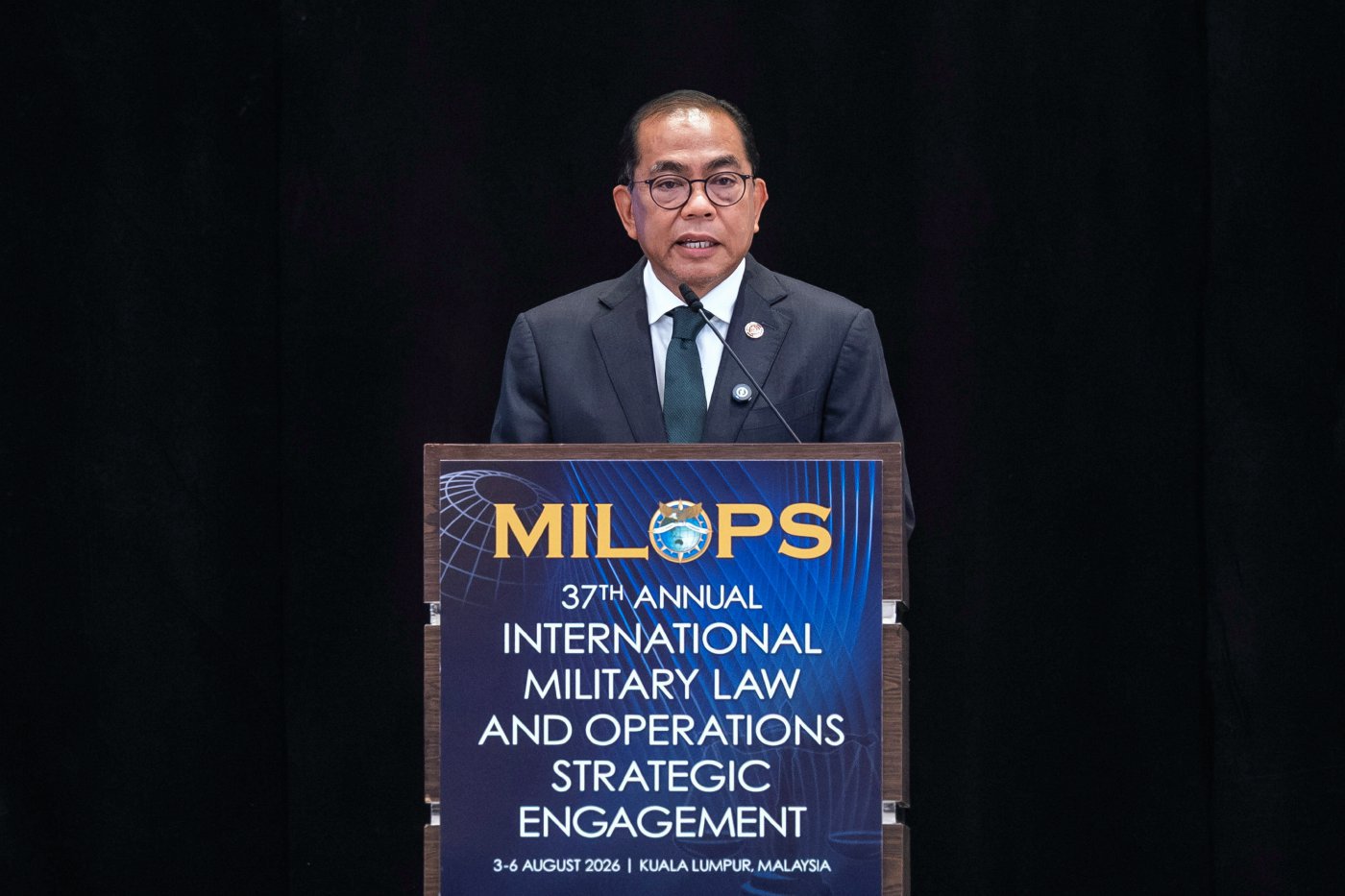
Malaysia’s Minister of Defence today called on regional and global powers to respect ASEAN’s established security architecture, as he officially opened the 37th International Military Law and Operations Conference (MILOPS) 2026 at the Mandarin Oriental Kuala Lumpur.
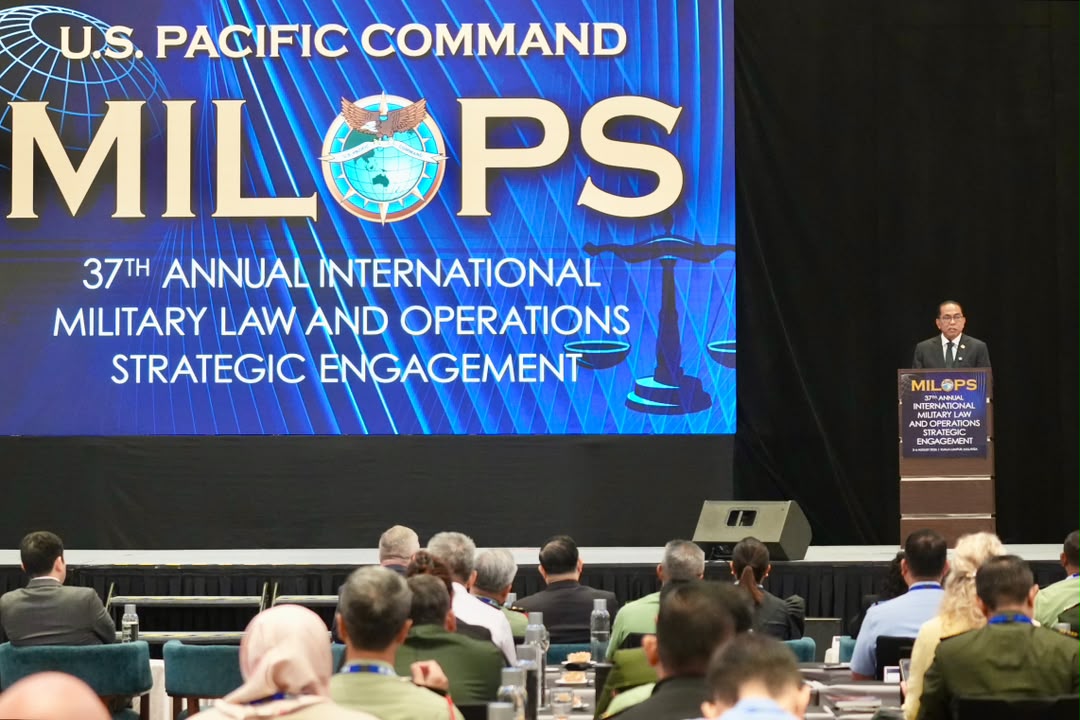
Addressing an audience of defence leaders, military officials, national security practitioners, legal experts, policymakers and scholars from across the Indo-Pacific and beyond, the Minister said Malaysia’s role as this year’s host reflected the country’s “longstanding belief in dialogue and engagement as the strongest instruments for preserving peace.”
He stressed that platforms such as MILOPS exist “not to heighten tensions or intensify competition,” but to build mutual understanding and trust among nations sharing a common objective — peace and stability.
“No meaningful Indo-Pacific dialogue can happen without a peaceful and united ASEAN,” the Minister said, adding that Southeast Asia’s stability was fundamental to the wider region given its position at the heart of the Indo-Pacific.
He further said ASEAN’s security architecture “is, and must remain, the conduit for any substantial Indo-Pacific discourse,” pointing to two key pillars that underpin the region’s approach.
Southeast Asia as a Zone of Peace, Freedom and Neutrality
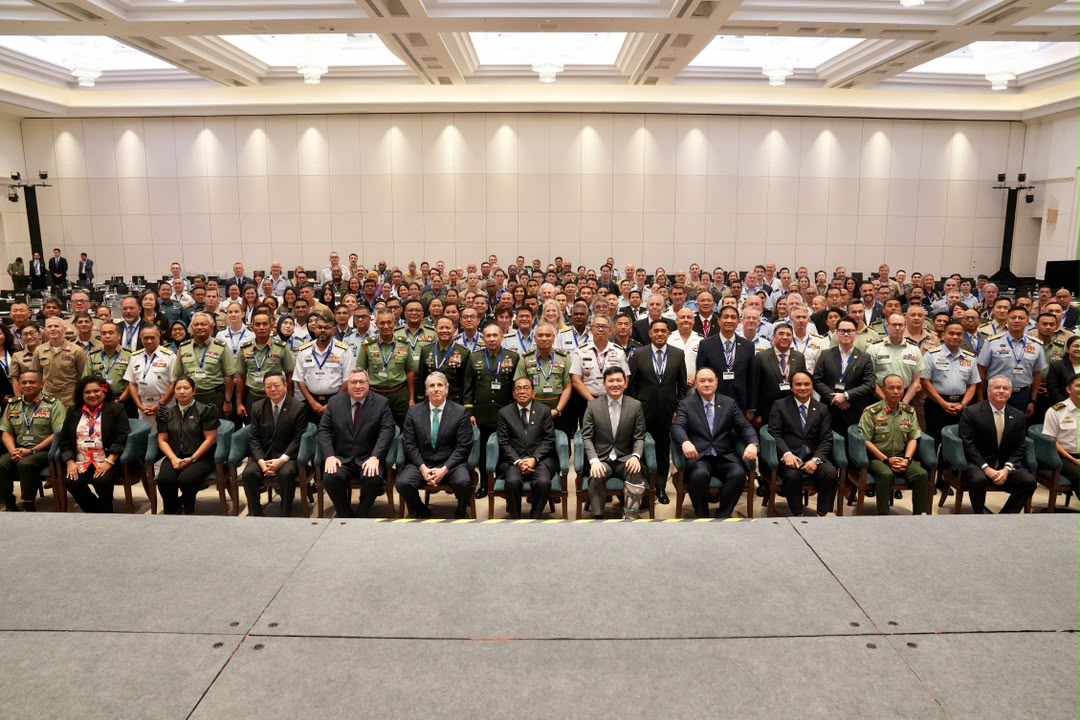
First, the Minister firmly reiterated that Southeast Asia “is, and must continue to remain, a Zone of Peace, Freedom, and Neutrality,” or ZOPFAN — an initiative he noted was originally proposed by Malaysia’s second Prime Minister, the late Tun Abdul Razak Hussein, in 1971 amid Cold War-era superpower rivalry.
He said the vision, proclaimed in Kuala Lumpur more than fifty years ago, “remains just as relevant for us in Southeast Asia” today, crediting decades of peace for enabling the region’s diversity, economic growth and prosperity to flourish.
“All this progress did not happen despite peace,” he said. “But because of peace.”
The Minister attributed ASEAN’s long-maintained peace to the region’s neutrality and non-alignment, adding: “We do not believe that peace requires us to choose sides. Rather, peace requires us to engage all and respect all, while remaining guided by our principles and interests.”
Respect for the Treaty of Amity and Cooperation
Secondly, the Minister called on any nation engaging with ASEAN to understand and respect the Treaty of Amity and Cooperation in Southeast Asia (TAC), describing it as “ASEAN’s code of conduct” and “the foundation upon which all meaningful engagement with ASEAN should be built.”
He said the TAC embodies the principles of mutual respect, peaceful settlement of disputes, non-interference and cooperation, and that “any nation, including ASEAN Member States themselves, must continue to respect and uphold” it.
A Message to the Military and Global Powers
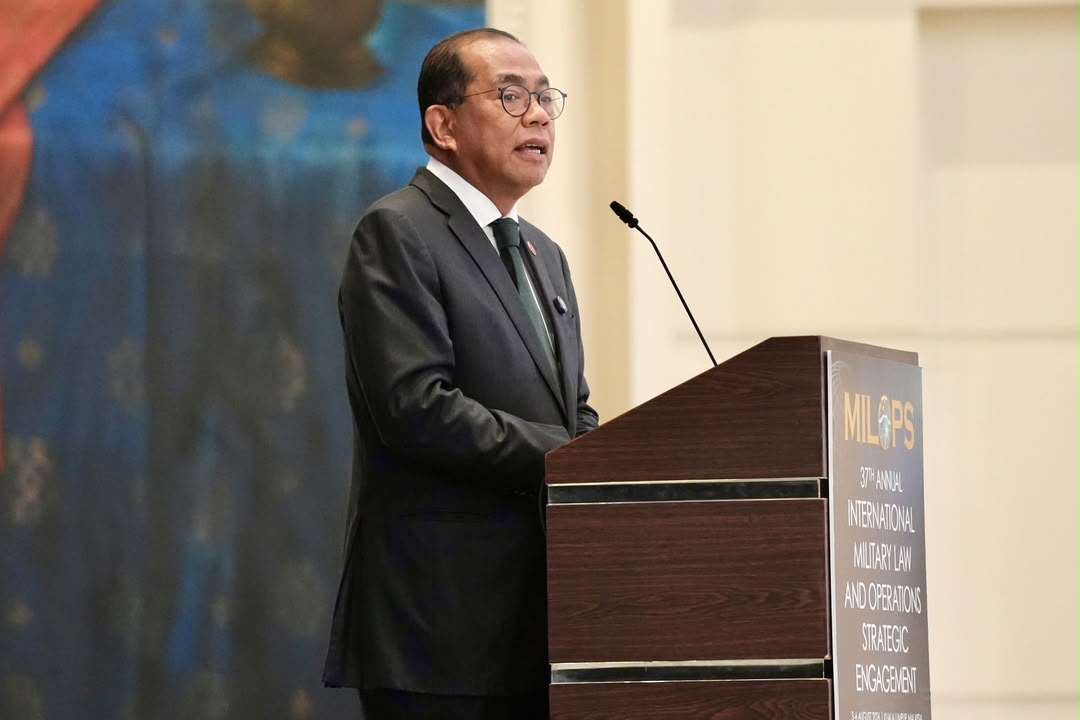
Turning to the military leaders and officials in attendance, the Minister offered a broader reflection on the purpose of armed forces.
“The true purpose of being in the military is to ensure that war and conflict never become necessary,” he said, adding that conflicts should whenever possible be resolved “through peaceful dialogue, mediation, and diplomacy — never through war.”
He said the presence of soldiers and military forces “should never be seen as a demonstration of power or intimidation,” but rather “a collective commitment to peace.”
Addressing major global powers directly, the Minister said Malaysia regards them as “custodians of global peace and stability,” but cautioned that this recognition “comes with big expectations and responsibility.”
“We do not presume to tell you how you should conduct your foreign policy and international affairs,” he said. “But we expect you to do so while respecting international laws and rules-based orders — consistently, not selectively.”
He described this as the core message he hoped would resonate throughout the conference, urging participants to uphold the principles of “peace, neutrality, dialogue, mutual respect, and adherence to international law” in the days of discussion ahead.
The Minister closed his address by wishing delegates a fruitful conference and a pleasant stay in Kuala Lumpur.